
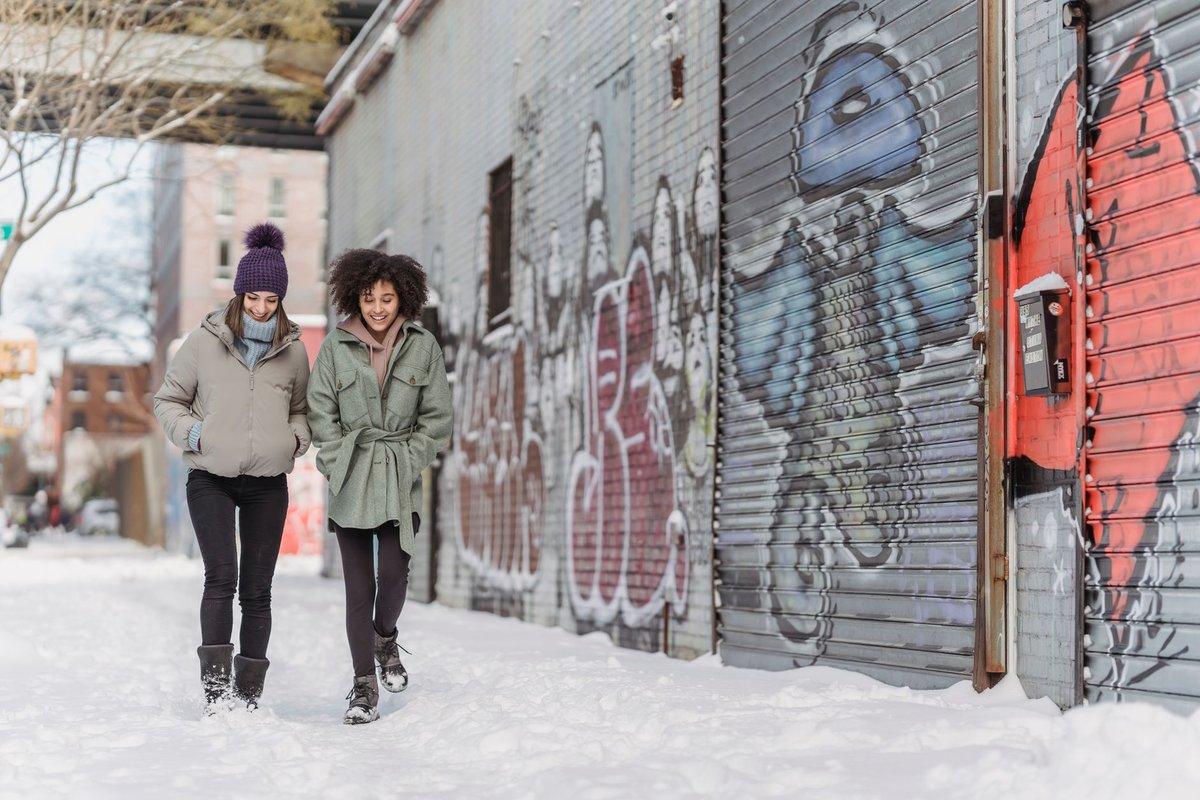
If you’re trying to decide between a sleek waterproof boot for city slush and a taller pair for real snow, start with the conditions you deal with most often. The right winter boot is the lightest pair that still keeps out water, feels stable on slick ground, and fits with the socks you’ll actually wear. Use the checks below before you buy so your boots still make sense after a wet commute, an icy parking lot, or a block of gray sidewalk slush.
Match the height and weight to your real winter
A lot of bad winter-boot purchases happen because shoppers buy for the dramatic storm, not the average day. If your usual winter means wet sidewalks, shoveled streets, and slushy curb cuts, a massive insulated snow boot may be more bulk than benefit. If you regularly walk through deeper snow, shaft height matters more because snow can spill in from the top long before water gets through the lower boot.
Picture your worst normal outing. Walking the dog on uncleared sidewalks is different from stepping out of the car and heading straight into an office. If you spend most of the day indoors, heavy boots can start to feel like a chore. If you’re outside for longer stretches, a lower-cut style may leave you wishing for more coverage.
A useful rule is to choose the lowest, lightest boot that still protects you from the mess you actually face. Ankle and mid-calf styles often make the most sense for everyday city wear. Taller shafts earn their keep when snow depth, not just puddles, is part of the problem.
Check the leak points labels don’t explain
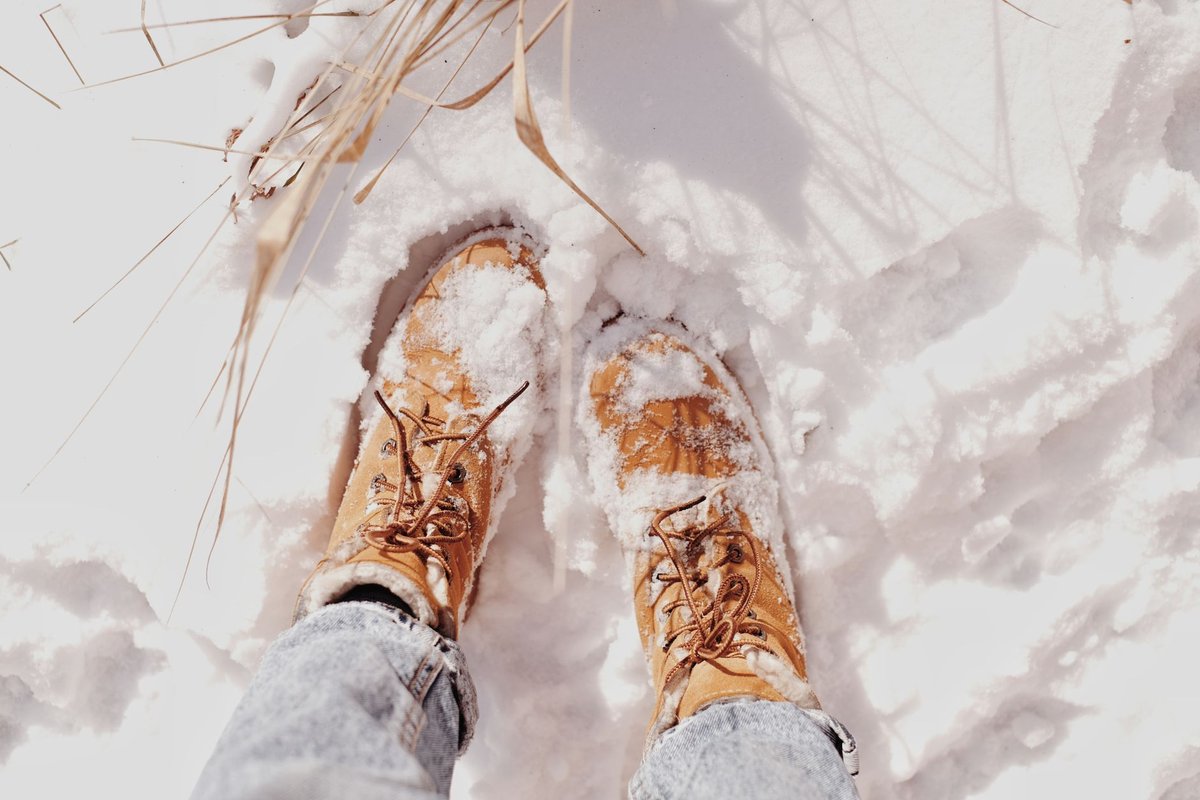
“Waterproof” tells you where to start, not what will happen on a sloppy sidewalk. Slush tends to exploit design weak spots: the base of the tongue, exposed zippers, heavy stitching, or a top opening that sits too low for the conditions.
Two quick checks can tell you more than the product name. First, look at how high the tongue is gusseted on a lace-up boot. If the side panel stops well below the ankle, meltwater can sneak in even when the rest of the upper seems protected. Second, inspect any inside zipper. If it’s stitched straight into the upper without material behind it, that zipper can become an easy entry point for wet snow.
Also look at the top line of the boot. A boot can be fully waterproof below the ankle and still fail on a slushy day if the opening is wide enough for runoff or kicked-up snow to drop right in.
If your main winter problem is wet commutes and curbside slush, HUNTER Boots stands out because its range is centered on durable rain footwear designed to keep feet dry. 20% off coupon code is available At the time of writing, HUNTER Boots offers 20% off your first order when you subscribe.
Read the outsole like a tire, not a style detail
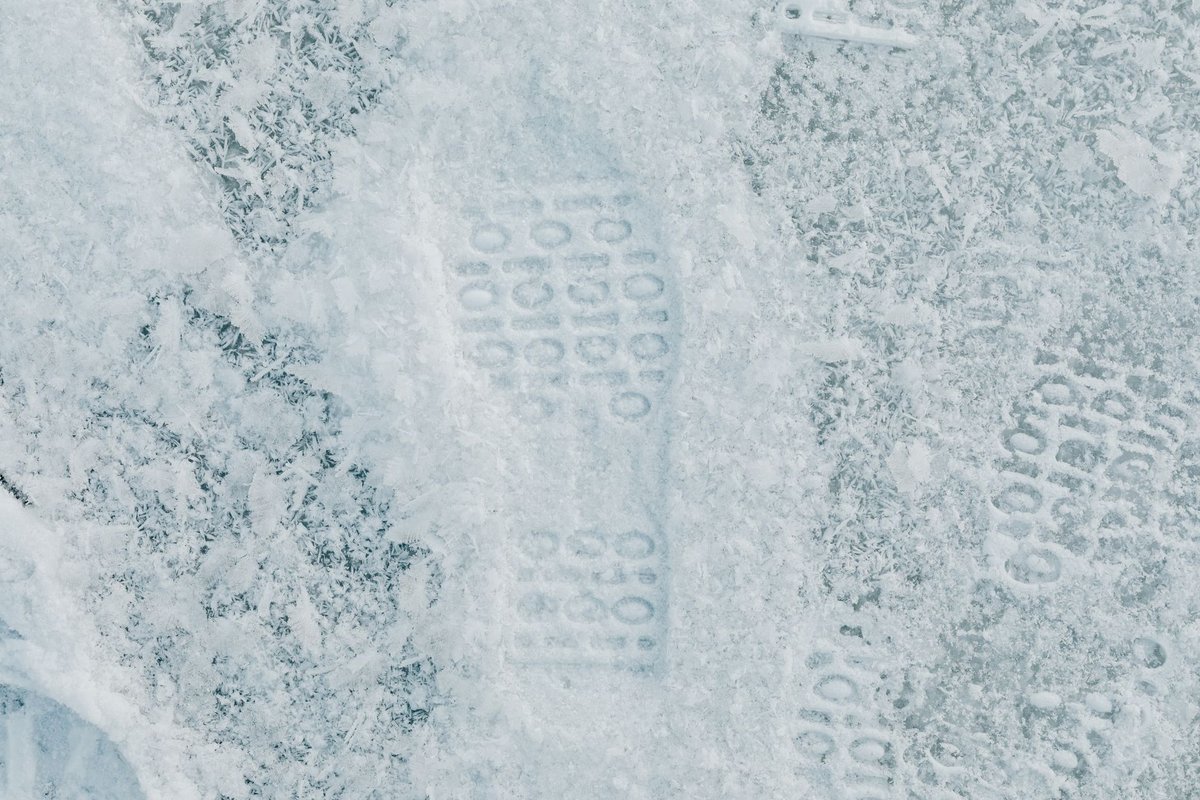
A rugged-looking sole doesn’t automatically mean better footing. Some boots have deep lugs around the edge and a smoother center section that does less once your foot rolls forward. Others look substantial from the side but have surprisingly flat contact points underneath.
Turn the boot over and inspect the whole outsole. You want visible spacing between lugs so slush has room to clear instead of packing in. A defined heel edge can help on stairs and downslopes because it gives you a clearer stopping point. Check the forefoot too, since that’s where you push off. If the front of the sole is too smooth, the boot may feel less steady on a thin icy film.
One non-obvious return-saving tactic is to compare the middle of the sole with the outer edges. If the center is noticeably flatter, you may lose grip in the part of the stride that matters most on refrozen sidewalks.
For winter days that are more puddles and mud than powder, BOGS is a practical place to browse because waterproof boots are the brand’s focus for wet and muddy conditions. 10% off coupon code is available At the time of writing, BOGS has up to 50% off Women’s Sale Footwear.
Fit for thick socks, foot movement, and drying overnight
A winter boot that fits like a regular fashion boot can become too tight as soon as you add proper socks. Tight boots can make feet feel colder, and they also create rubbing once the inside gets damp.
Try boots with the kind of socks you’ll actually wear. You need room to wiggle your toes, but not so much space that your heel lifts with every step. Heel slip gets more annoying on slick ground because you start gripping with your toes, which makes walking feel less secure.
One of the most overlooked checks is drying time. Winter boots get wet from the outside, but they also collect moisture from sweat and melting snow around the cuff. A removable insole or liner makes a real difference because you can dry the dampest part separately instead of waiting on the whole boot overnight. If a pair seems hard to air out, that matters when you need it again the next morning.
Before buying, test the opening with the pants you usually wear. A boot can fit your foot perfectly and still be frustrating if jeans bunch at the ankle or leggings leave too much of a gap at the top.
Use store strengths to narrow the search, then compare by job
Once you know your priority, shopping gets easier. Look for the store whose range matches the winter problem you’re solving rather than trying to force one boot to cover every scenario.
If you want a pair that can handle harsher weather without defaulting to the heaviest silhouette, SOREL is a useful option because its lineup includes waterproof boots for rough weather alongside lighter designs for everyday wear. 35% off coupon code is available At the time of writing, SOREL has 35% off online-exclusive styles, and a discount code is available on the store page.
The practical takeaway is simple: buy for your worst normal day, inspect the leak points, flip the boot over before trusting the tread, and fit it with real winter socks. Once you’ve narrowed down the kind of boot you need, compare current options on the women’s winter boots page so you can sort by use first and deal second.