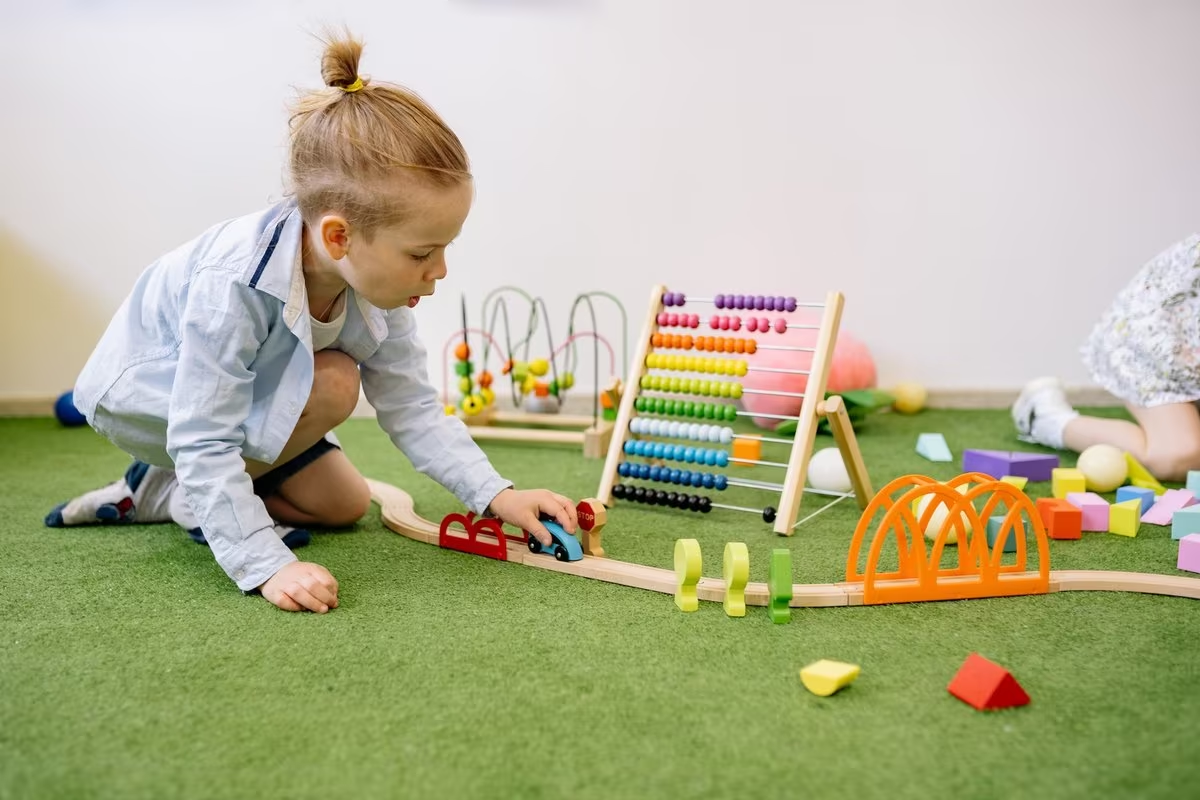
Some toys get one big reaction, then sit untouched by the next weekend. If you're trying to buy something a child will actually keep using, a few quick checks can help you skip the one-trick buys and spend on toys with better replay value.
Match the toy to how the child already plays
The easiest way to waste money is to shop by the age label alone. Two kids of the same age can want completely different things. One might line up cars by color. Another might build forts out of couch cushions and turn them into a rescue mission.
Before you buy, think about what the child does without being prompted. Common play patterns are sorting, stacking, transporting, pretending, collecting, building, and taking care of toys as if they're real. If a child keeps borrowing kitchen containers, a toy that lets them fill, pour, store, and move items around will usually last longer than a toy with one built-in trick.
A useful test is this: does the toy give the child something to do, or does it do the thing for them? Toys loaded with sounds, lights, or scripted actions can look impressive at first, but they often leave less room for the child to invent the game.
For babies and toddlers, it helps to narrow the search by the kind of play you want to encourage. Start with Baby sensory toys if you're looking for texture, motion, and hands-on exploration. Use Baby Learning Toys when you want toys that lean more toward early skill-building.
Use the three-uses test before checkout
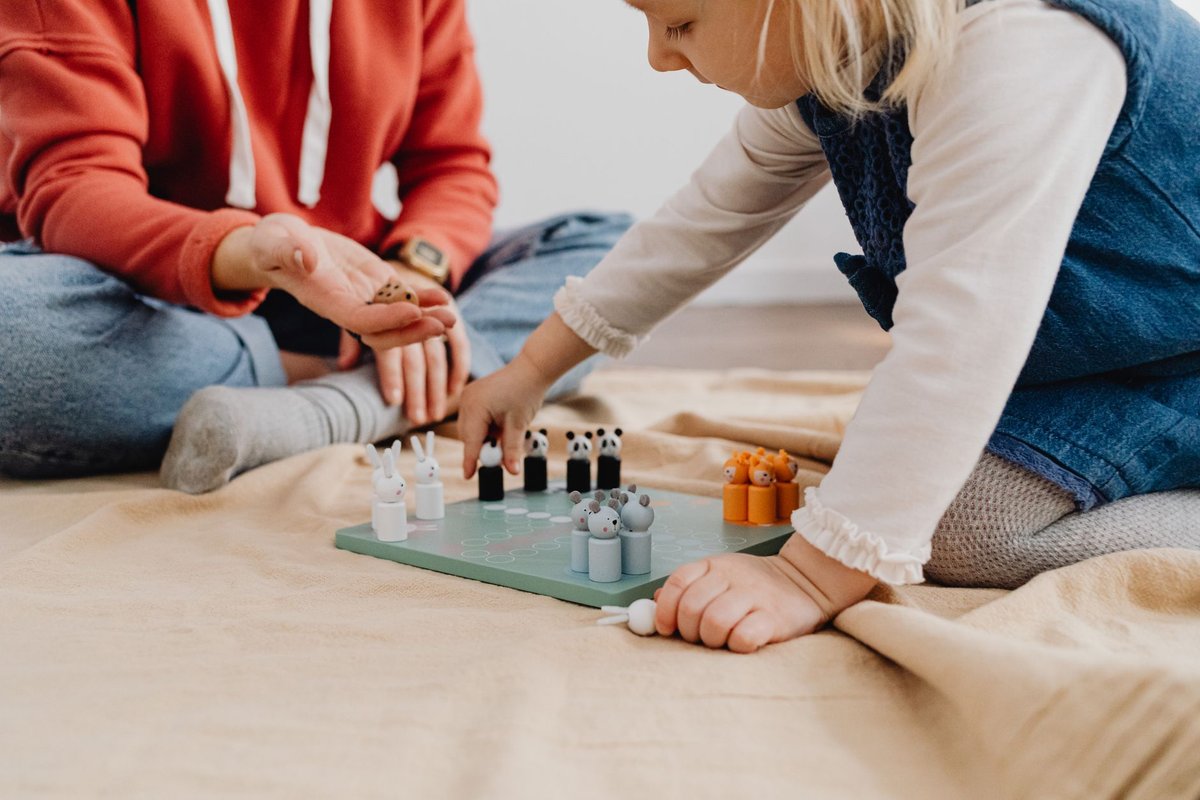
The toys that feel worth buying usually have more than one job. Blocks can become a tower, a road, or a pretend cake. Animal figures can turn into a story, a matching game, or a habitat setup. A puzzle can be solved normally one day and turned into a race the next.
Here's a tactic many shoppers skip: count the verbs. A strong toy lets a child stack, sort, hide, compare, balance, rebuild, race, or narrate. A weaker toy often offers one verb: press.
Another simple filter is the three-uses test. Before you buy, name three different ways the child could use the toy. If you can only picture one, there's a good chance the interest won't last.
Fat Brain Toys is a good fit for this kind of shopping because its range includes educational games, building sets, sensory toys, and unusual puzzles that naturally support more than one style of play. 10% off voucher code is available At the time of writing, there's also 10% off sitewide with a discount code available on the store page.
Check how fast the toy gets back into play
Some toys don't fail because they're boring. They fail because they're a hassle. If setup takes too long, pieces scatter everywhere, or an adult has to reset the whole thing after every round, the toy often ends up ignored.
A better buy has a short runway to play. A child should be able to pull it out, understand what to do, and get started quickly. That's especially useful on school nights, when the best toy may be the one that can hold attention for twenty minutes without needing constant help.
This is why figures and simple playsets can outlast more elaborate kits. Mojo Fun specializes in animal figures and playsets built around imaginative, active play, which makes them easy to bring out and use without a long setup routine. 20% off voucher code is available At the time of writing, there's 20% off a first order with a discount code available on the store page, expiring 1 November 2026.
One more non-obvious check: think about reset time and storage together. If the toy only works when every tiny part is present, ask yourself how realistic that is in your house.
Go deeper on one interest instead of buying a random mix
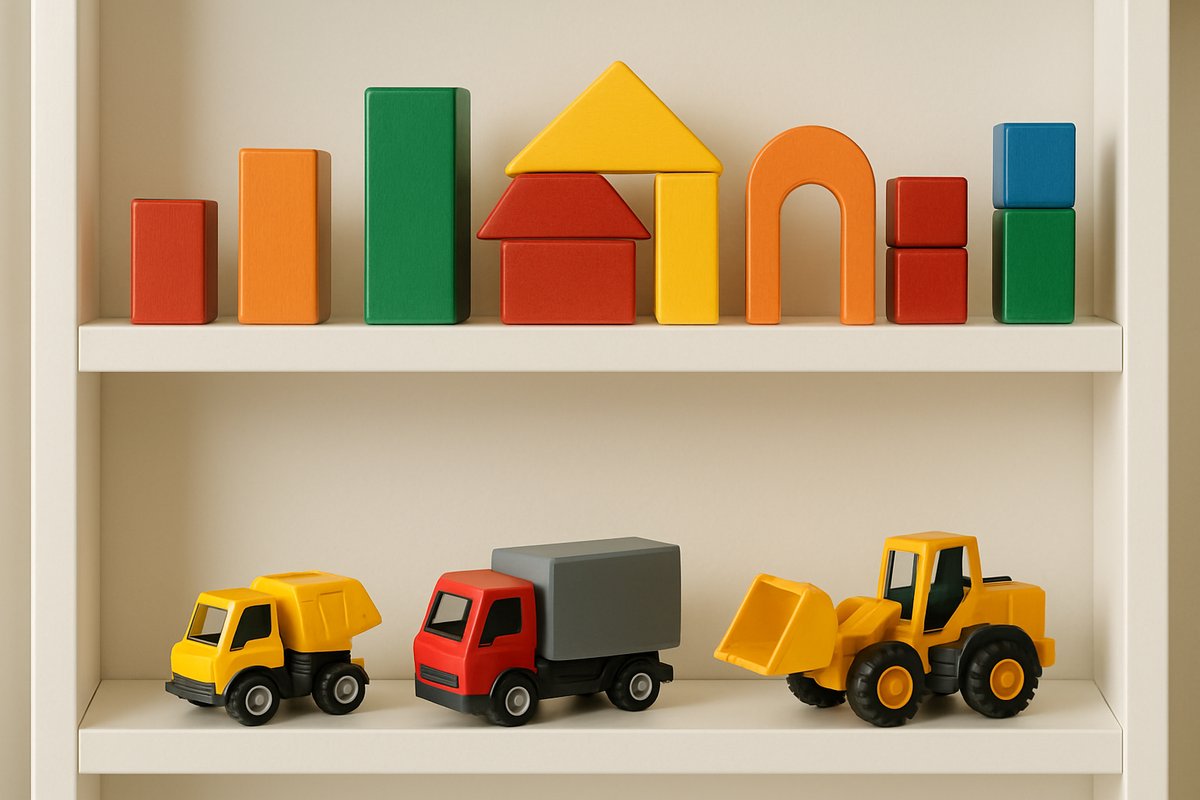
Kids often play longer with a theme they already care about than with a pile of unrelated gifts. If they're into trucks, more vehicle play usually beats one truck, one craft kit, one plush, and one gadget that don't connect to each other.
Following an obsession isn't narrow; it's efficient. A child who's focused on construction vehicles may create richer pretend play with several models that interact than with one large toy that has no supporting cast.
Hess Toy Truck makes sense when that interest is specifically vehicles. Its selection centers on toy trucks, trailers, and construction vehicles, so you're buying into a clear play theme instead of wandering across unrelated categories.
If you're buying for a birthday, ask the parent one question: what does the child keep talking about lately? That's usually more useful than any trend list.
Start with the core toy, then add later if it sticks
It's easy to overspend on extras before you know whether the main toy will last. Start with the piece that creates play on its own. If the child keeps coming back to it, then add around it later.
This works especially well with building and story-led toys. One solid playset or one set of figures tells you much more than a cart full of accessories bought all at once.
Freddo Toys is useful here because its range includes interactive toys, building sets, plush figures, and themed playsets, so you can test an interest without committing to a huge collection right away. At the time of writing, first orders also qualify for 10% off when you sign up for the newsletter.
If you want one takeaway, make it this: buy the toy that supports repeat play, not the one that makes the loudest first impression. For more ways to narrow choices by age and play style, browse the Toys category.